
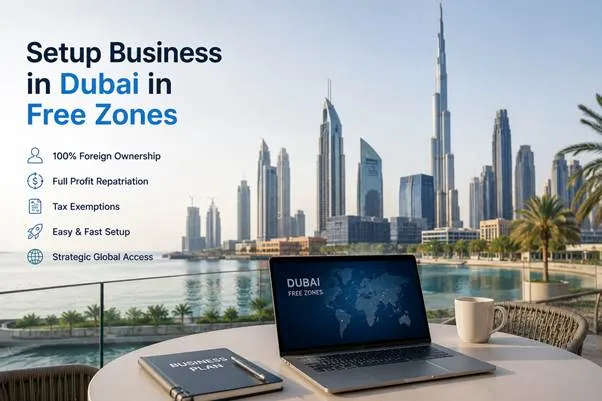
Dubai stands as a global business hub, attracting entrepreneurs and established corporations alike with its strategic location, world-class infrastructure, and pro-business policies. A significant contributor to this appeal is its network of Free Zones, special economic areas designed to encourage foreign investment by offering unique incentives and a streamlined business environment. Establishing a presence in one of these zones can provide a compelling framework for international operations and access to regional markets.
Key Takeaways
-
Dubai Free Zones offer 100% foreign ownership, full repatriation of capital and profits, and various tax exemptions.
-
The process involves selecting a business activity, choosing the right Free Zone, determining the legal structure, and securing a trade name.
-
Required documents typically include passport copies, a business plan, and proof of address for all shareholders and managers.
-
Licensing options range from commercial and industrial to service and professional, catering to diverse business models.
-
Engaging with a reputable consultant or the Free Zone authority directly can simplify the setup journey.
-
Meydan Free Zone provides an attractive and efficient platform for new businesses seeking a central Dubai location.
-
Careful planning regarding business activity, market demand, and financial projections is essential for success.
What are Free Zones in Dubai?
Free Zones, also known as Free Trade Zones, are designated areas within Dubai that operate under a special legal and regulatory framework. They are established to attract foreign direct investment by offering distinct advantages not available in the mainland economy.
-
These zones function as independent economic jurisdictions with their own rules and regulations.
-
They provide specific benefits aimed at simplifying business operations for international companies.
-
Each Free Zone typically focuses on particular industry clusters, though many offer a broad range of activities.
-
Businesses operating within a Free Zone are generally restricted from directly trading with the UAE mainland market without a local distributor or agent.
Why Establish a Business in a Dubai Free Zone?
The decision to establish a business in a Dubai Free Zone is driven by a number of powerful advantages designed to foster growth and profitability for international ventures.
-
100% Foreign Ownership: Unlike mainland companies, Free Zone entities allow complete foreign ownership without the requirement of a local Emirati partner.
-
Full Repatriation of Capital and Profits: Businesses can freely repatriate all capital and profits to their home country, without any restrictions.
-
Corporate and Income Tax Exemptions: Free Zone companies are typically exempt from corporate taxes and personal income taxes for a specified period, often renewable.
-
Customs Duty Exemptions: Businesses benefit from 100% exemption from import and export duties within the Free Zone.
-
Streamlined Company Setup: The process for business registration and licensing is generally quicker and less complex compared to mainland establishments.
-
Modern Infrastructure and Facilities: Free Zones offer state-of-the-art office spaces, warehousing, and other business facilities tailored to specific industry needs.
-
Ease of Visa Processing: Companies can sponsor employment visas for shareholders, employees, and their dependents with relative ease.
-
Strategic Location: Access to global markets through Dubai’s world-class ports and airports, situated at the crossroads of East and West.
-
Robust Regulatory Framework: A stable and transparent legal system that protects business interests.
Who Can Set Up a Business in Dubai Free Zones?
A wide array of entities and individuals can setup a business in Dubai Free Zones, catering to various business models and scales.
-
Entrepreneurs: Individuals looking to start new ventures or expand existing operations internationally.
-
Small and Medium-sized Enterprises (SMEs): Companies seeking a cost-effective and efficient base for regional or global reach.
-
Large Corporations: Multinational companies establishing regional headquarters, branch offices, or specialized operational units.
-
Freelancers: Many Free Zones offer specific licenses and packages for independent professionals in various sectors.
-
Foreign Investors: Individuals or groups aiming to invest in the UAE market without the need for local sponsorship.
-
Businesses from various sectors: Including but not limited to trading, consulting, logistics, media, technology, healthcare, education, and manufacturing.
When is the Best Time to Start a Business in Dubai?
There isn’t a single “best” time that applies to all businesses, as market conditions and individual readiness play crucial roles. However, certain factors suggest favorable periods.
-
Consistent Growth: Dubai’s economy generally maintains a positive growth trajectory, making most times opportune.
-
Expo Legacy: Following major events like Expo 2020 Dubai, the city often experiences continued interest and investment, making the post-event period productive.
-
Market Research: The ideal time is often determined by thorough market research indicating demand for your specific products or services.
-
Capital Availability: When sufficient capital is secured and ready for investment, it is a good time to proceed.
-
Strategic Initiatives: When new government initiatives or economic policies are introduced that align with your business goals, it can be an opportune moment.
-
Personal Readiness: When you have a clear business plan, a skilled team, and a deep understanding of the local market, the time is right for your specific venture.
Where are Dubai’s Free Zones Located?
Dubai boasts numerous Free Zones, each strategically located and often specialized, to serve diverse industry needs across the emirate.
-
Jebel Ali Free Zone (JAFZA): Located near Jebel Ali Port, ideal for logistics, trading, and manufacturing.
-
Dubai Multi Commodities Centre (DMCC): Situated in Jumeirah Lakes Towers, popular for commodities trading and a variety of services.
-
Dubai International Financial Centre (DIFC): An independent financial jurisdiction in the heart of Dubai, catering to financial services.
-
Dubai Internet City (DIC): Part of TECOM Group, a hub for technology and IT companies.
-
Dubai Media City (DMC): Also part of TECOM Group, focusing on media and creative industries.
-
Dubai Airport Free Zone (DAFZA): Located next to Dubai International Airport, beneficial for air cargo and high-value goods.
-
Dubai Healthcare City (DHCC): Specializing in medical, pharmaceutical, and healthcare services.
-
Meydan Free Zone: Strategically located in the heart of Dubai, offering modern office solutions and a wide range of business activities, known for its efficient setup process.
-
IFZA Dubai (International Free Zone Authority): A newer, rapidly growing Free Zone offering competitive packages and a broad spectrum of business activities.
-
Dubai World Trade Centre (DWTC) Free Zone: Offers a flexible setup within a dynamic business and event environment.
How to Setup Your Business in Dubai Free Zones?
How to setup your business in Dubai Free Zones involves a structured process that, while streamlined, requires careful attention to detail and adherence to regulatory requirements. Following these steps systematically will facilitate a smooth setup.
-
1. Determine Your Business Activity:
-
Clearly define the exact business activities your company will undertake.
-
Verify if your chosen activities are permitted within the specific Free Zone you are interested in.
-
Select the appropriate license type (e.g., Commercial, Professional, Industrial, Service).
-
2. Choose the Right Free Zone:
-
Research Free Zones that align with your industry, budget, and specific requirements (e.g., office space, warehousing).
-
Consider the zone’s reputation, location, and the range of services it offers.
-
Meydan Free Zone offers a prime location and a broad spectrum of business activities, making it an appealing choice for many entrepreneurs seeking efficiency and prestige.
-
3. Select a Legal Structure:
-
Common Free Zone legal structures include Free Zone Establishment (FZE – single shareholder), Free Zone Company (FZC – multiple shareholders), and Branch Office.
-
Your choice depends on the number of shareholders and whether it’s a new entity or an extension of an existing company.
-
4. Register Your Company Name:
-
Propose several unique company names to the Free Zone authority.
-
Ensure the names comply with UAE naming conventions (e.g., no offensive words, no religious or political connotations, generally must include the legal entity type).
-
5. Prepare and Submit Documents:
-
Required documents typically include:
-
Passport copies of all shareholders and managers.
-
Proof of residential address for all individuals involved.
-
Notarized No Objection Certificate (NOC) if employed in the UAE.
-
Curriculum Vitae (CV) of the manager.
-
Business plan (sometimes required, especially for certain activities or larger setups).
-
Specimen signature of shareholders and managers.
-
Attested Memorandum and Articles of Association (if applicable for FZC).
-
6. Apply for Your Business License:
-
Submit the completed application form along with all required documents and fees to the chosen Free Zone authority.
-
The authority will review your application and conduct background checks.
-
7. Obtain Office Space and Facilities:
-
Free Zones require a physical presence. This can range from a flexi-desk or shared office to dedicated office space or a warehouse, depending on your license and needs.
-
Sign a lease agreement for your chosen facility within the Free Zone.
-
8. Receive Your License and Register:
-
Upon approval, you will receive your trade license and company registration certificate.
-
Your company is now legally established and ready to operate.
-
9. Open a Corporate Bank Account:
-
With your new license, you can apply to open a corporate bank account with a local or international bank in the UAE.
-
This usually requires a physical presence of the signatories in the UAE for identity verification.
-
10. Apply for Visas (if needed):
-
If you or your employees require residency in the UAE, apply for establishment card and then investor or employment visas through the Free Zone authority.
Meydan Free Zone simplifies many of these steps by offering integrated services, including license application assistance, office solutions, and visa processing support, acting as a crucial partner for businesses aiming for a smooth entry into the Dubai market.